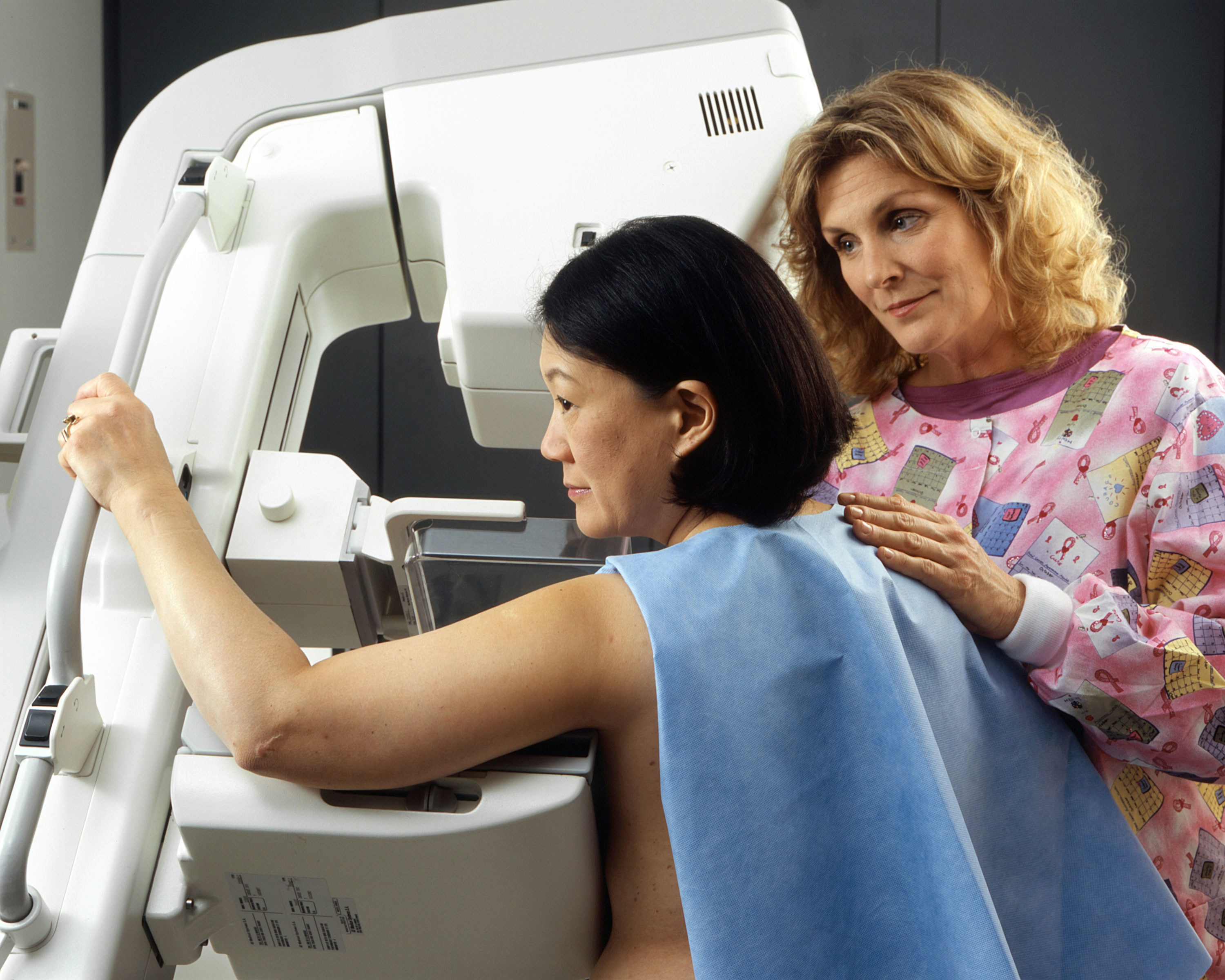
Community Health Hubs Are Improving Access in Underserved Areas

Health

Leo Watkins
Across rural towns and urban neighborhoods alike, small-scale community health hubs are transforming how care is delivered. These hubs operate as walk-in centers that provide everything from basic consultations and immunizations to wellness workshops and chronic disease support.
By being embedded within the communities they serve, these centers are eliminating common barriers like travel time, long waitlists, and limited appointment availability.
Local Support, Real Impact
What makes these hubs successful isn’t just the medical care—it’s the personalized attention and familiar faces. Staffed by nurses, general practitioners, and health educators who often live in the area themselves, the experience feels more like neighborly help than a clinical transaction.
These centers also work closely with local schools, food programs, and social workers to address the wider factors affecting health, such as nutrition, housing, and education.
With more people receiving care earlier and more regularly, the burden on hospitals and emergency rooms is easing. More importantly, the community as a whole begins to view health as a shared priority. In a world where access too often depends on location or income, community health hubs are making care feel close, personal, and possible for everyone.
Similar News